
What wood burns hottest and longest in your Mini Wood Stove ?
What wood burns hottest and longest?
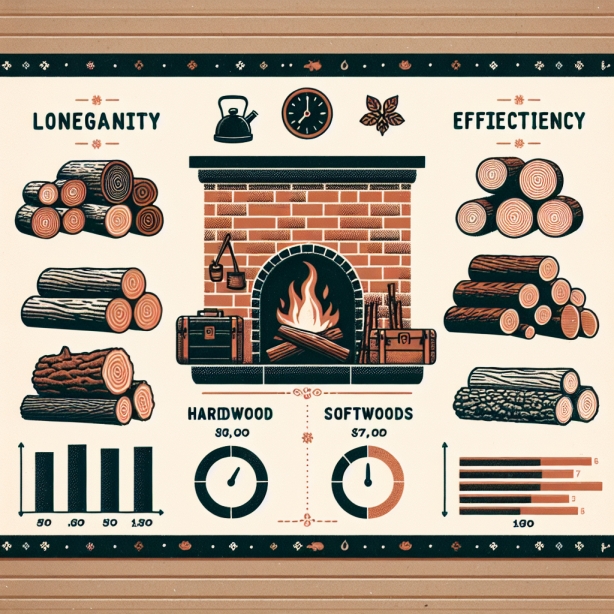
The hottest burning wood is Hardwood. Hardwoods like ash, birch, oak, maple, and most fruit trees are the best burning woods that will give you the hottest and longest burning time. These woods have sap, pitch and are cleaner to handle than the softwoods.
What is the hardest wood to burn?
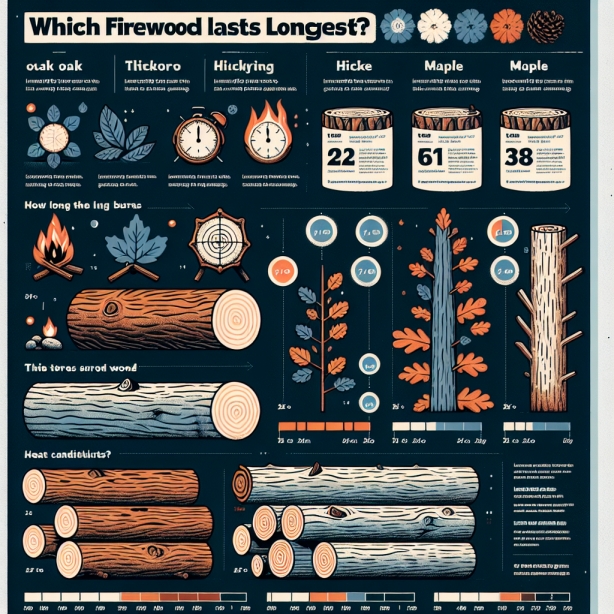
Oak: Known for its long, slow burns, oak is likely the best firewood wood. Oak is a dense hardwood available throughout most regions of North America. While oak wood can take a little longer to become properly seasoned than other firewoods, the fire from well seasoned oak in your wood stove can’t be beat.
What type of campfire burns the longest?
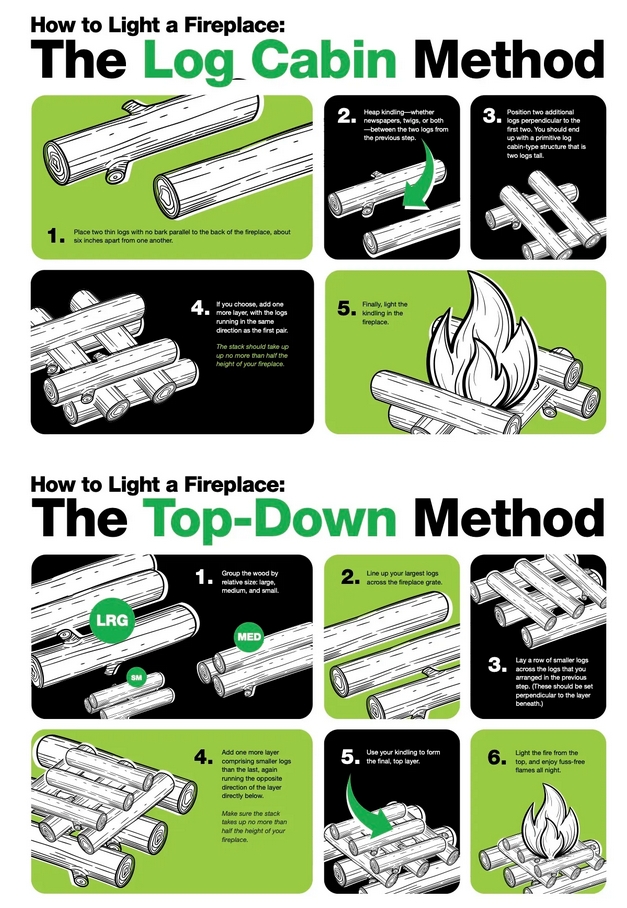
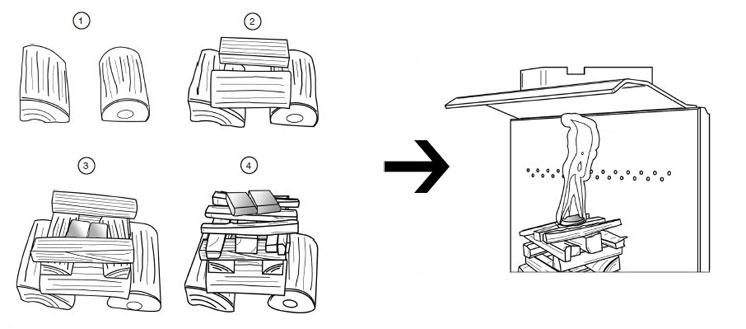
Log Cabin Fire (Longest-lasting campfire)
Gradually lay the logs toward the center as you build the cabin higher. It will have the appearance of a pyramid, and coals will form quickly.
What is the hottest fire wood?
- Osage orange, 32.9 BTUs per cord.
- Shagbark hickory, 27.7 BTUs per cord.
- Eastern hornbeam, 27.1 BTUs per cord.
- Black birch, 26.8 BTUs per cord.
- Black locust, 26.8 BTUs per cord.
- Blue beech, 26.8 BTUs per cord.
- Ironwood, 26.8 BTUs per cord.
- Bitternut hickory, 26.5 BTUs per cord.
What wood should you not burn?
Watch out for any wood covered with vines. Burning poison ivy, poison sumac, poison oak, or pretty much anything else with “poison” in the name releases the irritant oil urushiol into the smoke. Breathing it in can cause lung irritation and severe allergic respiratory problems, the Centers for Disease Control state.
What is the slowest burning firewood?
Oak. Oak is the slowest wood to season, at approximately 2.5cm a year and ideally should be seasoned for a minimum of two years. Because of its density, it is a wood that’s slow to burn as firewood and is best used in a mix of faster-burning logs. This wood can help to keep the fire burning at night if required.
The Importance of Firewood Quality
Before delving into the specific types of firewood, it’s crucial to understand the importance of firewood quality. The quality of firewood can significantly impact its burn time and efficiency. High-quality firewood should have the following characteristics:
- Low moisture content: Firewood with a moisture content of less than 20% burns more efficiently and produces more heat.
- Dense and hardwood: Hardwood firewood, such as black locust, oak or hickory, is denser and burns longer than softwood varieties like pine or spruce.
- Properly seasoned: Seasoned firewood has been dried for at least six months to a year, reducing its moisture content and improving its burn time.
Types of Firewood
Now that we understand the importance of firewood quality, let’s explore some of the types of firewood known for their long burn time:
Oak
Oak is widely regarded as one of the best firewood options due to its density and slow-burning properties. It is a hardwood that produces a high amount of heat and burns for a long time. Oak firewood is ideal for overnight burns or when you want to keep a fire going for an extended period.
Hickory
Hickory is another hardwood that is known for its long burn time. It is dense and produces a high amount of heat, making it an excellent choice for heating purposes. Hickory firewood is often used in wood-burning stoves or fireplaces that require a consistent and long-lasting heat source.
Maple
Maple firewood is a popular choice for those seeking a long burn time. It is a hardwood that burns slowly and produces a steady heat output. Maple firewood is often used in fireplaces or wood-burning stoves where a consistent heat source is desired.
Birch
Birch firewood is known for its bright flames and pleasant aroma. While it may not burn as long as oak or hickory, it still provides a decent burn time and produces a good amount of heat. Birch firewood is often used for ambiance and shorter burning periods.
Factors Affecting Burn Time
While the type of firewood plays a significant role in determining burn time, other factors can also affect how long firewood lasts:
Moisture Content
The moisture content of firewood is crucial for efficient burning. Green or freshly cut wood has a high moisture content, which can lead to a smoky fire and reduced burn time. Properly seasoned firewood with a moisture content of less than 20% burns longer and produces more heat.
Storage and Drying
How firewood is stored and dried can impact its burn time. Firewood should be stored in a dry and well-ventilated area, preferably off the ground to prevent moisture absorption. Properly drying firewood for at least six months to a year ensures that it is seasoned and ready for efficient burning. Make sure you cut the wood to the right length as well. It helps with drying and getting the most out of your firewood.
Fireplace or Stove Efficiency
The efficiency of your fireplace or wood stove can also affect burn time. A well-maintained and properly functioning appliance will maximize the heat output and burn time of your firewood.
Conclusion
Choosing firewood that lasts the longest is essential for efficient heating and a cozy fire. Hardwood varieties such as oak, hickory, maple, and birch are known for their long burn time and high heat output. However, it’s crucial to consider factors such as moisture content, storage, and appliance efficiency to maximize the burn time of your firewood. By selecting high-quality firewood and following proper storage and drying techniques, you can enjoy longer-lasting fires and efficient heat sources.
COPYRIGHT © 2025 ECHOLS STOVE WORKS